

Global health data shows that lifestyle-related conditions continue to rise, with the World Health Organization noting that noncommunicable diseases account for nearly 74% of deaths worldwide. That number alone keeps many clinicians up at night. The challenge is not just treating illness, it is spotting patterns early enough to respond. Yet traditional surveillance methods often lag behind real behavior. People do not always report habits accurately, and by the time trends appear in clinical data, they have already taken root.
One unexpected lens comes from supply chains. A growing number of healthcare analysts are quietly looking at distribution data, especially in sectors tied to lifestyle habits like vaping. For instance, tracking products for resale across vape wholesale USA networks offers a rough but telling snapshot of consumer behavior. It sounds unusual at first, even a bit sideways. But when clinic visits rise alongside spikes in disposable vape shipments, patterns start to line up in ways that surveys alone cannot capture.
The Healthcare Challenge: Gaps in Behavioral Data
Doctors often rely on patient honesty, and let’s be real, that has limits. A patient might downplay how often they vape or forget to mention it entirely. Clinical records then tell only part of the story. The Centers for Disease Control and Prevention has highlighted that self-reported data on tobacco and vaping use can be inconsistent, especially among younger populations.
This creates a blind spot. Respiratory symptoms may increase, but without clear behavioral data, linking cause and effect becomes tricky. Public health teams are left reacting instead of anticipating. It is like trying to predict traffic without knowing how many cars are on the road.
A Case Study: Reading Between the Supply Lines
Consider a regional health network in the United States that noticed a gradual rise in patients presenting with mild but persistent respiratory irritation. Nothing dramatic, no headlines, just a steady uptick. At first, clinicians suspected seasonal allergies. That explanation did not fully hold.
At the same time, market data from retail distribution showed increased movement of disposable vaping devices and bulk e-liquid shipments into the same region. Research published in journals like Tobacco Control has shown that availability and marketing of vaping products can influence usage patterns, particularly among young adults.
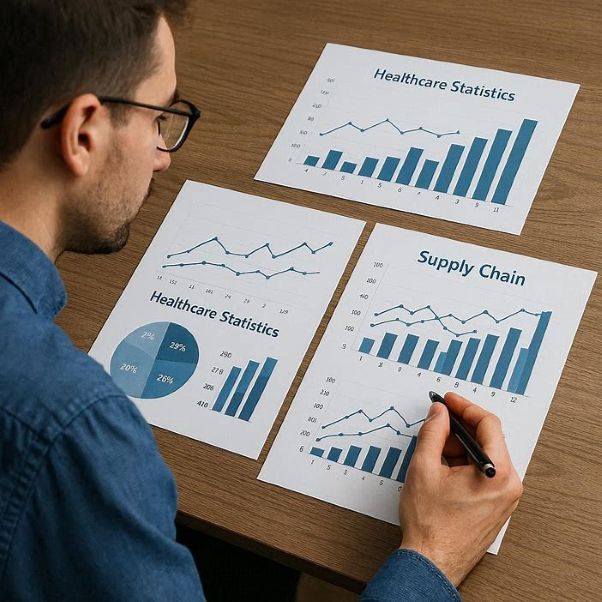
Here is where things got interesting. Analysts overlaid healthcare visit data with supply chain figures tied to wholesale vape distribution. The correlation was not perfect, but it was strong enough to raise eyebrows. More shipments into local retail channels seemed to align with more patients mentioning occasional vaping, often after being prompted.
One clinician joked, “The supply chain was more honest than my patients.” There is humor there, but also truth.
The Problem–Solution Bridge
The problem is clear. Healthcare systems need earlier, more reliable indicators of shifting habits. Waiting for clinical symptoms or self-reported surveys slows response time. That delay can mean missed opportunities for education and prevention.
The solution is not to replace traditional data, but to complement it. Supply-side insights, including trends in bulk vape inventory, distributor activity, and retail restocking cycles, can act as early signals. Data from the National Institutes of Health suggests that environmental and commercial factors play a measurable role in shaping health behaviors. When access increases, usage often follows.
By integrating these indirect indicators, healthcare teams can build a more complete picture. For example, a spike in wholesale activity might prompt targeted patient screening questions. Clinics could adjust intake forms or initiate brief counseling conversations earlier. Public health campaigns could also be timed more strategically, rather than reacting months later.
Practical Applications in Clinical Settings
Some healthcare systems are already experimenting with this approach. They are not tracking individuals, but observing aggregate trends. Think dashboards that combine hospital data with anonymized distribution figures. It is a bit like weather forecasting. No one controls the storm, but better data helps people prepare.
Experts from organizations like the American Public Health Association emphasize the value of multi-source data integration. When behavioral signals are subtle, combining datasets can reveal patterns that would otherwise stay hidden.
Of course, there are limits. Supply chain data does not explain why people vape, nor does it capture frequency or intensity. It is a signal, not a diagnosis. Still, in a field where early insight can shape outcomes, even imperfect signals have value.
Looking Ahead: From Insight to Action
There is something slightly ironic about using commercial distribution data to inform public health. Yet it reflects a broader truth. Health behaviors are woven into everyday systems, including retail and logistics. Ignoring those systems leaves gaps.
Moving forward, the integration of resale inventory trends, wholesale distribution metrics, and clinical observations could become more common. It will require collaboration across sectors that do not usually talk to each other. Healthcare professionals, data analysts, and supply chain experts will need to share insights in ways that respect privacy while improving awareness.
At the end of the day, the goal is simple. Understand behavior sooner, respond smarter, and reduce harm where possible. Whether the data comes from a clinic chart or a shipment log, what matters is how it is used. Sometimes, the clues to better health are hiding in plain sight, tucked between boxes in a warehouse, waiting for someone to connect the dots.