

More than one-third of adults in the United States take herbal supplements each year, a trend that shows no sign of slowing as patients seek “natural” ways to boost health. According to a 2023 survey from the National Center for Complementary and Integrative Health, herb and supplement use continues to grow, with many people drawn to products like Tongkat Ali for energy, stress relief, or masculinity boosts.
One product that often comes up in clinic conversations is Tongkat Ali Tablets, a supplement marketed for male vitality and well‑being. Patients stroll into appointments with glowing anecdotes and hopeful questions: “Will this fix my fatigue?” or “Can it help my libido?” Clinicians often blink back, juggling curiosity with skepticism. What follows is my take (part science, part real‑world counseling) to help healthcare professionals navigate these chats without rolling their eyes.
What Is Tongkat Ali?
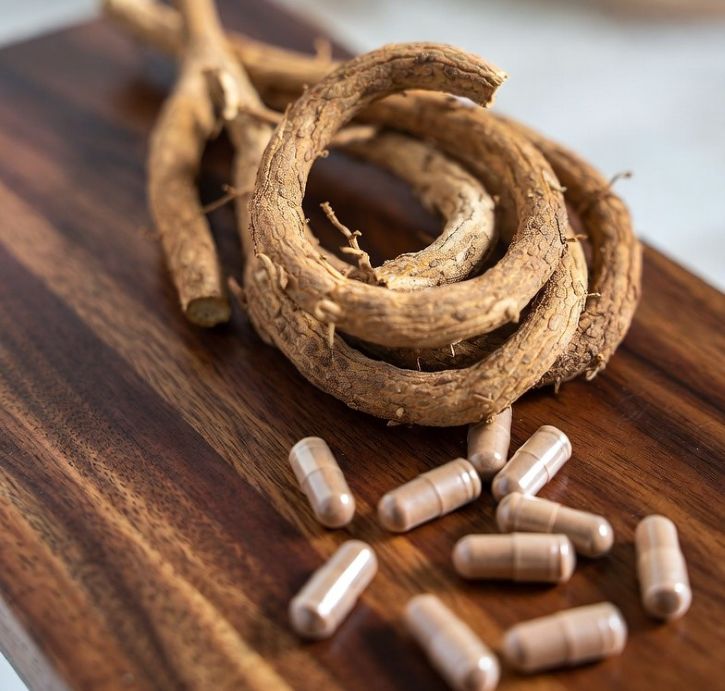
Tongkat Ali, scientifically known as Eurycoma longifolia, is a Southeast Asian plant long used in traditional medicine. Folks in Indonesia and Malaysia have brewed it for centuries to improve stamina and general health. It’s no wonder that, as global interest in herbal remedies grows, so does chatter about Tongkat Ali in wellness circles.
But when it comes to medicine, popularity needs backup. And that’s where our jobs as clinicians matter: separating hopeful marketing from evidence‑based reality.
What Research Actually Says
There are some intriguing findings. A handful of small clinical studies suggest Tongkat Ali may affect testosterone levels, especially in men with lower baseline testosterone. For example, randomized trials have observed modest increases in total testosterone and improvements in sexual desire compared to placebo groups. Researchers speculate that compounds in the plant might interact with hormones or help the body manage stress.
Speaking of stress, a few small studies hint at reduced cortisol and self‑reported stress in people taking standardized Tongkat Ali extracts. That’s interesting because high cortisol is linked to fatigue, poor sleep, and mood swings. But before we start celebrating, it’s crucial to note that most of these studies are limited in size and duration. Research published in journals like Phytotherapy Research and Journal of the International Society of Sports Nutrition often calls for larger, longer trials before solid conclusions can be drawn.
Benefits vs. Limitations
- Possible benefits: modest testosterone support in deficient men, improved sexual desire scores in some trials, and potential stress‑reducing effects.
- Limitations: small study sizes, variable supplement quality, lack of long‑term safety data, and inconsistent results across research.
And here’s a real‑world twist: most patients are taking products with little standardization. A bottle of Tongkat Ali from one brand can differ wildly from another — both in potency and purity.
Why Regulation Matters
Here’s a quick and bitter truth: supplements like Tongkat Ali are not regulated by the U.S. Food and Drug Administration the way prescription drugs are. The Dietary Supplement Health and Education Act of 1994 means manufacturers don’t have to prove safety or effectiveness before selling. That leaves clinicians talking to patients about a wild west of products on shelves and online marketplaces.
Contamination with heavy metals, adulteration with pharmaceuticals, and mislabeling are documented issues in the supplement world. A 2019 analysis published in JAMA Network Open found that many herbal supplements did not contain the plant DNA expected. That means patients might be paying for something they’re not actually getting. Add in fillers and unknown additives, and it becomes clear why medical oversight is vital.
Safety Concerns & Interactions
So what should we watch for? First, there’s the usual gamut of side effects that patients report with hormonal or stimulant‑like supplements: insomnia, irritability, rapid heart rate, or gastrointestinal upset. Some people may experience headaches or anxiety. Most often, these are mild, but high doses could be a different story.
Interactions can be sneaky. Say a patient is on blood thinners, antidepressants, or blood pressure meds. Herbal supplements can alter how drugs are metabolized, especially if they affect liver enzymes like CYP450. I had one patient proudly declare they were using Tongkat Ali with their warfarin prescription. That’s a conversation that could have gone sideways without careful guidance.
Then there’s the testosterone angle. For men with hormone‑sensitive conditions, dabbling in something that may tweak endocrine pathways is not trivial. Even if effects are modest, the principle of “first, do no harm” applies.
How to Counsel Patients Effectively
A touch of humor can build rapport: “I get it, anything that promises to boost your spring is tempting.” But follow that with clear, evidence‑based guidance.
So how do we handle the inevitable questions without sounding like the fun police? First, listen. Many patients come in with stories about what they’ve read online or heard from friends. Sometimes hilarious, Sometimes heartbreaking. A touch of humor can build rapport: “I get it, anything that promises to boost your spring is tempting.” But follow that with clear, evidence‑based guidance.
Explain the difference between historical use and scientific validation. Highlight the limitations of current research. Discuss safety, possible interactions, and the lack of strict regulation. Encourage patients to choose reputable brands that offer third‑party testing when available. And always link supplement use to their overall health goals and medications.
Most of all, reassure patients that you’re on their team. Herbal products can have benefits, but they also carry risks. Helping people navigate these choices thoughtfully is part of modern healthcare. Some patients may compare products like Tongkat Ali with other trending supplements, such as those highlighted in Syn Pharma product popularity among fitness enthusiasts, and clinicians can use these moments to discuss evidence, safety, and realistic expectations.
Conclusion
Tongkat Ali might have potential as a supplement for stress and hormonal support. But the science is still tentative, quality varies, and safety needs careful consideration. Clinicians who learn about products like Tongkat Ali can guide their patients thoughtfully, cut through the noise, and avoid preventable risks. With open communication and evidence‑aware counseling, we can help patients make informed choices that fit their health goals, even when the supplements seem tempting in the bottle or online.
When used thoughtfully and with medical oversight, Tongkat Ali can be part of a patient’s wellness toolkit, but it should never replace medical advice or standard treatment plans. Tongkat Ali deserves respect and scrutiny in equal measure as we support our patients through an ever‑expanding supplement landscape.